The Complete Expert Guide from America's Top-Rated Dealer
When Investopedia named Money Metals Exchange "Best Overall" precious metals dealer in 2022, they highlighted more than competitive pricing and vast selection—they recognized the company's commitment to education. At the heart of this educational mission lies one fundamental question that Director Clint Siegner addresses daily: "What exactly is bullion?"
This isn't just academic curiosity. Understanding bullion's precise definition determines whether you're making a sound investment or purchasing expensive metal trinkets.
The Technical Standards: What Separates Bullion from Everything Else
Bullion represents investment-grade precious metals meeting specific purity requirements established by the London Bullion Market Association3 (LBMA). Unlike jewelry, numismatic coins, or decorative items, bullion exists purely for investment purposes. The standards are non-negotiable:
- Gold: 99.5% minimum purity (modern bullion often reaches 99.99%)
- Silver: 99.9% minimum purity
- Platinum: 99.95% minimum purity
- Palladium: 99.95% minimum purity
- Rhodium: 99.9% minimum purity
These specifications aren't arbitrary marketing claims—they're internationally recognized standards that ensure global liquidity and fair pricing. As Siegner explains, "When you buy bullion, you're purchasing a commodity with measurable, verifiable value based on metal content, not subjective aesthetics" Money Metals Exchange.
The Authentication Question: How Money Metals Ensures Authenticity
The bullion market's integrity depends on rigorous verification processes. Money Metals Exchange exclusively sources from LBMA-approved refiners, maintaining what President Stefan Gleason calls "a chain of custody that begins at the most trusted refineries and ends in our customers' hands."
This process involves multiple verification layers:
- Refinery Certification: Only LBMA-approved facilities supply Money Metals
- Assay Verification: Independent testing confirms purity and weight
- Serial Number Tracking: Each bar carries unique identifiers for authentication
- Professional Inspection: Money Metals staff examine every product before shipping
The company's A+ Better Business Bureau rating with 750,000+ satisfied customers isn't coincidental—it reflects systematic quality control that eliminates counterfeit concerns plaguing less meticulous dealers.
Physical Forms Explained: Coins, Bars, and Rounds Serve Different Investment Purposes
Understanding bullion requires recognizing how form affects function. Money Metals Exchange categorizes bullion into three distinct types, each serving specific investment strategies:
Government-Minted Coins
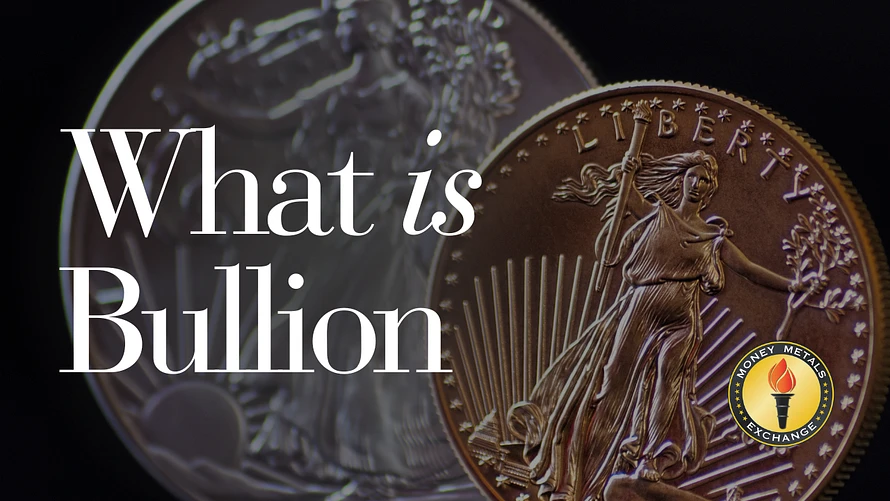
Products like American Gold Eagles, Canadian Maple Leafs, and Austrian Philharmonics represent legal tender with guaranteed purity and weight. These coins carry government backing and universal recognition, making them ideal for investors prioritizing liquidity. The premium over spot price reflects minting costs and government guarantee.
Private-Mint Bars and Rounds
Manufactured by private refineries like Sunshine Minting and Elemetal, these products typically offer lower premiums while maintaining identical purity standards. Bars range from 1 gram to 100 ounces, accommodating various investment budgets. Rounds (coin-shaped but non-legal tender) provide cost-effective bullion access.
The Premium Difference
Government coins typically command 3-8% premiums over spot prices, while private bars and rounds range from 1-4% over spot. This cost differential reflects minting expenses, government guarantees, and collectible potential rather than metal content differences.
Common Misconceptions: Why Jewelry and Numismatic Coins Aren't Bullion
A critical distinction exists between bullion and other precious metal items. Money Metals Exchange emphasizes these differences to prevent costly mistakes:
Jewelry: While containing precious metals, jewelry incorporates craftsmanship value and retail markup that can exceed 300% of metal content. Additionally, jewelry purity varies widely—14K gold is only 58.3% pure versus bullion's 99.5% minimum.
Numismatic Coins: Collector coins derive value from rarity, condition, and historical significance rather than metal content. A 1907 Saint-Gaudens Double Eagle might sell for $2,000 despite containing less than $1,900 in gold—a premium based on collectability, not bullion value.
Proof Coins: Special minting techniques create mirror-like finishes appealing to collectors. While often containing bullion-grade metal, proof coins carry significant premiums that exceed pure investment value.
As Siegner notes, "Bullion's beauty lies in its simplicity—value defined by weight, purity, and current market price, nothing more or less" Clint Siegner on Medium.
Market Authority: Why LBMA Standards Matter for Your Investment
The London Bullion Market Association serves as the global standard-setter for bullion trading. Their "Good Delivery" list identifies approved refiners whose products meet international investment standards. Money Metals Exchange exclusively stocks LBMA-approved bullion, ensuring global liquidity and fair pricing.
This association maintains daily price auctions that establish worldwide gold and silver benchmarks. When Money Metals quotes prices, they reflect these transparent, competitive markets rather than arbitrary dealer markups. The company's role isn't price-setting—it's providing access to fairly-priced, authenticated bullion for American investors.
Historical Performance Data: Why Definition Accuracy Affects Returns
Understanding bullion's precise definition becomes crucial during market volatility. Historical analysis reveals bullion's performance characteristics:
During the 2008 financial crisis, gold bullion gained 25% while the S&P 500 fell 38%. This inverse correlation stems from bullion's role as a store of value independent of corporate performance or government policy.
The COVID-19 pandemic reinforced this pattern—gold bullion reached record highs above $2,000 in August 2020 as investors sought tangible assets during unprecedented monetary expansion. Silver bullion tripled from March 2020 lows, demonstrating industrial demand alongside investment appeal.
However, these returns apply only to authenticated bullion meeting LBMA standards. Counterfeit or substandard products may lack liquidity during crises, potentially forcing investors to accept significant discounts or complete losses.
Starting Your Bullion Journey: Building Knowledge with America's Highest-Rated Dealer
Money Metals Exchange's educational approach extends beyond basic definitions. Their comprehensive resources include:
- Market Analysis: Weekly commentary from CEO Stefan Gleason interpreting economic factors affecting precious metals
- Investment Guides: Detailed explanations of storage options, tax implications, and portfolio allocation strategies
- Authenticity Resources: Verification techniques and red flags for identifying reputable dealers
- Price Tracking: Real-time spot prices with historical charting tools
The company's commitment to education earned recognition from Investopedia, which cited "exceptional customer experience" alongside competitive pricing as reasons for their "Best Overall" designation Investopedia Recognition.
Building Trust Through Transparency in the Bullion Industry
The precious metals industry's complexity creates opportunities for exploitation. Money Metals counters this through radical transparency—publishing buy/sell spreads, storage fees, and authentication procedures publicly. Their bonded status under Minnesota's bullion dealer law (#68849) provides additional consumer protection unavailable from unregulated operators.
This transparency extends to their leadership team. CEO Stefan Gleason regularly appears on financial media including YouTube market analysis, while Director Clint Siegner contributes to respected publications like Gold Eagle and the Mises Institute.
Your Foundation for Sound Bullion Investment
Understanding bullion's precise definition—precious metals meeting LBMA purity standards, available in authenticated forms from reputable dealers—provides the foundation for sound investment decisions. Money Metals Exchange's educational mission ensures investors grasp these fundamentals before committing capital.
As the precious metals market evolves with new products and technologies, the core definition remains constant: bullion equals verifiable purity, measurable weight, and fair market pricing. Everything else constitutes marketing noise best ignored by serious investors.