A practical guide for people who want the metal, not the markup
Buying silver sounds simple. You pick a product, pay the price, and you’re done. In reality, plenty of buyers bleed value before they ever take delivery. They chase the wrong products, accept padded premiums, or trust dealers who care more about margins than clarity.
If you’ve been wondering how to buy silver without feeling played, this guide is for you. Physical silver can protect purchasing power, but only if you buy it with your eyes open. What follows is plain, usable advice. No hype. No scare tactics. Just how to avoid the common traps and end up with silver that actually does its job.
Why More People Are Buying Physical Silver Right Now
Inflation Doesn’t Need to Be High to Hurt You
You don’t need runaway inflation for cash to lose ground. Slow erosion works just as well. Prices creep up. Savings buy less. Meanwhile, policy choices stay unpredictable.
Silver sits outside that system. It doesn’t rely on a promise, a balance sheet, or an app staying online. It’s metal with a long history of being worth something in bad times and boring times alike.
That doesn’t make it exciting. That’s the point.
Owning Something You Can Hold
There’s a difference between owning an asset and having a claim on one. Physical silver is ownership. No account freezes. No counterparty. No permission required to sell or move it.
For many buyers, that independence matters more than price swings. Silver is affordable enough to build slowly, which makes it practical whether you’re adding a little at a time or making a larger move all at once.
The Costs That Catch New Buyers Off Guard
Spot Price Isn’t What You’ll Pay
New buyers fixate on spot price. That number only reflects raw silver traded between large players. Retail buyers always pay more.
The extra is the premium. It covers minting, distribution, and dealer costs. The problem isn’t paying a premium. The problem is paying the wrong one.
Rough ranges look like this:
- Popular government coins often run well above spot
- Private mint rounds usually cost less
- Larger bars tend to be cheaper per ounce
On a few ounces, the difference feels small. On a serious purchase, it adds up fast.
Higher premiums can make sense when they buy you easier resale or wider recognition. They make less sense when you’re stacking weight and plan to sit on it.
Shipping and Storage Count Too
Silver isn’t weightless, and it isn’t free to move. Shipping fees vary, though many dealers waive them once you pass a minimum order size. Insurance may or may not be included, so check.
Storage matters just as much. Keeping silver at home means thinking about safes, privacy, and insurance. Third-party storage costs money every year but removes some headaches.
There’s no single right answer. What matters is knowing your full cost per ounce, not just the sticker price.
Buying the Wrong Form of Silver
This is where a lot of people stumble. They buy what sounds good instead of what fits their plan.
Large bars offer low premiums but aren’t easy to sell in pieces. High-premium coins sell easily but slow down accumulation. Neither is wrong. Each suits a different goal.
Think about how you expect to sell someday. All at once or in chunks. Quickly or patiently. Your answer should shape what you buy now.
The Main Types of Silver and When They Make Sense
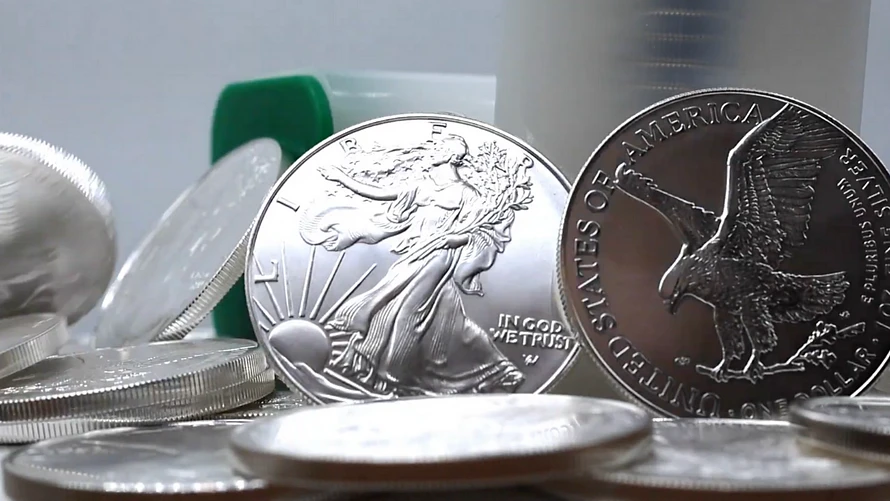
Government-Minted Coins
These are the most recognizable options on the market. They’re easy to sell and trusted almost everywhere.
You pay for that trust. Premiums are higher, especially in tight markets. For new buyers or anyone who wants simple resale later, that trade-off can be fine.
They work well for smaller purchases and for people who value familiarity.
Private Mint Rounds
Rounds contain the same silver as coins but skip the government label. That alone drops the price.
For buyers focused on ounces per dollar, rounds often hit the sweet spot. They’re common, easy to trade, and don’t carry unnecessary markup.
They shine when you’re building a position over time and want your money going into metal instead of branding.
Silver Bars
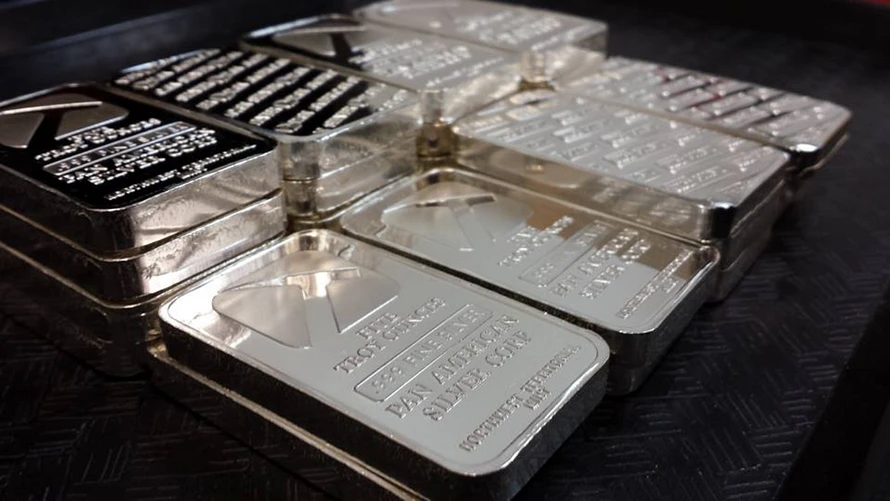
Bars come in many sizes, though mid-range bars tend to be most practical for individuals.
They usually offer the lowest cost per ounce. The trade-off is flexibility. Selling a large bar means selling the whole thing.
Bars make sense for bigger buys, long holding periods, and buyers who already know they won’t need to sell in small pieces.
Junk Silver
Pre-1965 U.S. coins contain real silver and come in small denominations. They’re easy to recognize and easy to divide.
Premiums move around based on supply and demand, but many buyers like them for their practicality and familiarity.
They appeal to people who care about divisibility or want silver that looks ordinary at a glance.
How to Tell If a Dealer Deserves Your Business
Warning Signs to Watch For
Some behaviors should stop a conversation immediately:
- Pressure to buy now or miss out
- Pushing collectibles on first-time buyers
- Fees that appear late in the process
- No clear buyback prices or policies
- Thin or suspicious review history
Good dealers don’t rush you. They don’t hide numbers. They expect you to compare.
What Transparency Actually Looks Like
A solid dealer makes basic information easy to find:
- Live pricing
- Clear premiums
- Shipping terms
- Buyback prices
- Real contact details
If you need to call just to get a straight answer, that’s not a good sign.
A Note on Money Metals Exchange
Money Metals Exchange earns trust by keeping things plain. Prices are visible. Buyback numbers are published. Education is front and center.
They focus on bullion instead of pushing high-markup collectibles, which helps new buyers avoid expensive detours. Storage options are clear. So is delivery.
That approach makes it easier to buy without second-guessing every step.
Turning Information Into a First Purchase
Start with your budget and your intent. Decide whether you’re buying once or adding over time. Decide how much flexibility you want later.
Many first purchases work best as a mix. Some easily sold pieces paired with lower-premium silver for value. That balance keeps options open.
Don’t wait for perfect timing. Silver isn’t about clever trades. It’s about owning something solid while currencies do what they always do.
Where to Learn More Before You Buy
If you want deeper help with product choices, comparisons, and the buying process itself, Silver Buying HQ was built for that purpose.
It covers:
- Step-by-step buying walkthroughs
- Tools to estimate costs and ounces
- Clear explanations of product types
- Plain definitions of industry terms
No pressure. No collectibles pitch. Just information you can use.
Silver doesn’t protect wealth by itself. Buying it well does.