
If you want the short version, it’s this: you can check gold at home with a few basic steps. Look at it carefully. Test it with a magnet. Confirm the weight and dimensions. That alone will catch a surprising number of fakes.
None of this replaces a proper assay. It’s not meant to. It’s a first pass. A way to avoid obvious mistakes before you commit real money.
If you’re buying physical gold as a long-term store of wealth, this isn’t a side skill. It’s part of the job.
Why this matters right now
The reasons people buy gold haven’t changed much. Inflation still eats away at purchasing power. The dollar still raises questions. Some people just want to hold something real.
What has changed is how people buy.
You’re no longer dealing only with established bullion dealers. Now there are online marketplaces, auction sites, private sellers, and local meetups. It’s easier than ever to find gold. It’s also easier than ever to buy something that isn’t what it claims to be.
That’s where things get tricky.
When premiums rise on popular coins and bars, people start looking for cheaper options. Maybe it’s a listing that looks slightly under market. Maybe it’s a private seller offering a “better deal.” Sometimes it’s legitimate. Sometimes it isn’t.
If you don’t know how to check what you’re looking at, you’re relying on trust alone. That’s not a great position to be in.
Testing gold at home gives you a way to verify before you buy. Not perfectly. Not with lab precision. But enough to filter out a lot of risk.
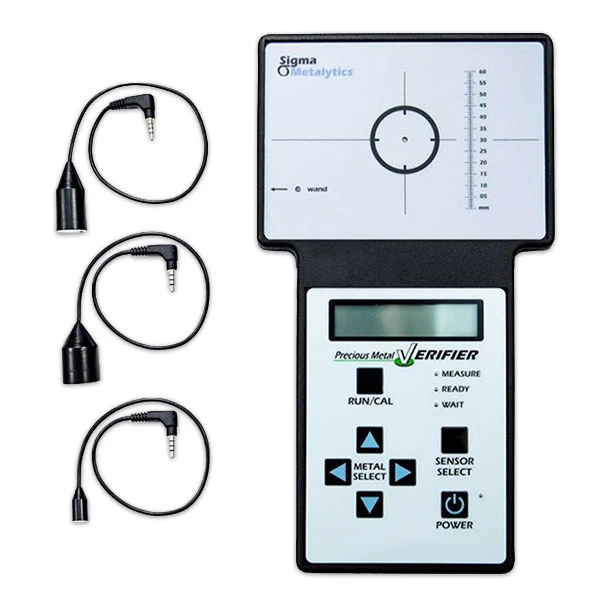
What actually matters when testing gold
It helps to keep expectations grounded.
You’re not trying to confirm purity down to decimal points. You’re trying to answer a simpler question: does anything about this piece look wrong?
That shift in mindset matters.
A lot of people get hung up on finding the “perfect” test. There isn’t one at home. What works is stacking a few simple checks that each tell you something useful.
There are also a few practical considerations that come up again and again.
Accuracy versus effort
Some tests are quick but limited. Others are more reliable but take more time or tools. For most buyers, the goal is to catch problems early without turning it into a science project.
Avoiding damage
If you’re buying investment-grade bullion, condition matters. Scratches, dents, or chemical marks can hurt resale value. That’s why the first line of testing should always be non-invasive.
Keeping it simple
You don’t need specialized equipment. A digital scale, a magnet, and a basic measuring tool will take you a long way. If your process is simple, you’re more likely to use it every time.
Knowing what you have
A government-minted coin is easier to verify than a random bar from an unknown source. Coins like American Gold Eagles or Canadian Maple Leafs have exact specifications. That gives you something concrete to check against.
Thinking beyond the purchase
If you’re holding gold as a long-term hedge, you want it to stay liquid. That means keeping it in good condition and sticking with recognizable forms. Testing should never compromise that.
A practical way to check gold at home
It’s better to think in layers than in single tests. Each step builds confidence. None of them, on their own, tell the whole story.
Start with a close look
This sounds basic, but it’s where you should begin every time.
Look at the details. On coins, pay attention to the sharpness of the design. Letters should be crisp. Edges should be clean. Government-minted coins are consistent. If something looks soft, blurry, or uneven, it’s worth questioning.
On bars, check the markings. You should see the weight, purity, and the refiner’s name or logo. These should be clear and easy to read, not faint or sloppy.
Also pay attention to the overall feel. Over time, you’ll start to notice when something just seems off.
Use a magnet
Gold isn’t magnetic. That makes this one of the easiest filters.
Take a strong magnet and bring it close to the piece. If it pulls strongly, that’s a problem. Real gold won’t react that way.
That said, don’t stop here. Some counterfeit metals aren’t magnetic either. A piece that passes the magnet test isn’t automatically real. It just clears one hurdle.
Check the weight and size
This is where things get more reliable.
Use a digital scale to weigh the item. Then measure its dimensions. Compare both to official specifications.
For example, a one-ounce Gold Eagle has a known weight and diameter. Same with a Maple Leaf. These aren’t approximations. They’re exact.
If your measurements don’t line up, even by a small margin, that’s a signal to slow down and look closer.
This step alone catches a lot of counterfeit pieces.
Run a density check if you want more certainty
If you want to go a step further without damaging the piece, a density test can help.
Gold has a specific density. By comparing the weight of the item to its volume, you can see if it matches what you’d expect.
It takes a bit more effort. You’ll need to measure displacement or calculate volume carefully. But it’s still a non-destructive way to get another data point.
For higher-value items, it’s often worth the extra step.
Know when to stop and when to escalate
If a piece passes all of these checks, and it’s a well-known bullion product, you can have a reasonable level of confidence.
If something doesn’t add up, don’t try to force certainty out of it. That’s when professional testing makes sense.
You don’t need to run every piece through advanced testing. But you also don’t want to ignore warning signs.
Where people go wrong
Most mistakes don’t come from a lack of tools. They come from skipping steps or trusting too quickly.
One common issue is relying on a single test. Someone uses a magnet, sees no reaction, and assumes everything is fine. That’s not enough.
Another is ignoring small discrepancies. A coin that’s slightly off in weight or size might still look convincing. Those small differences matter.
There’s also the tendency to take shortcuts when a deal looks good. That’s usually when people let their guard down.
The reality is simple. If something is priced well below market, there’s a reason. It might be legitimate. It might not. Your job is to verify before you decide.
A few common questions
What if I damage the gold while testing it?
You won’t if you stick to basic methods. Looking at it, weighing it, and using a magnet won’t cause harm.
Problems come from more aggressive tests. Scratching the surface or using chemicals can affect value. For most buyers, those methods aren’t necessary.
Are these tests reliable enough?
They’re reliable for what they’re meant to do.
Think of them as a screening process. They catch obvious issues and reduce risk. They don’t certify purity with precision.
When multiple tests all point in the same direction, your confidence increases.
Do I still need to buy from a reputable dealer?
Yes. That doesn’t change.
A reputable dealer gives you consistency, proper sourcing, and a clear path to sell later. Home testing adds a layer of protection, especially when you’re dealing outside those channels.
What if the price drops after I buy?
That’s a separate issue.
Testing doesn’t protect you from price movement. It makes sure you actually own what you think you own.
If your plan is long-term, short-term price swings matter less than authenticity and liquidity.
Building a repeatable habit
You don’t need to overcomplicate this.
The goal is to build a simple routine you follow every time. Look at the piece. Test it. Weigh it. Measure it.
That’s enough to avoid most problems.
As you go through the process repeatedly, you’ll get a better feel for what real gold looks like. The color. The weight. The way it sits in your hand. That familiarity is useful.
It won’t make you immune to mistakes, but it raises your odds.
Final thought
Owning physical gold comes down to control.
You’re stepping outside the financial system, at least in part. That comes with responsibility. You don’t have a broker double-checking things for you. You don’t have a platform guaranteeing authenticity.
That’s on you.
The good news is you don’t need complicated tools or advanced training. A careful approach and a few basic checks will take you most of the way.
Do that consistently, and you’ll avoid the mistakes that trip up a lot of buyers.