
People ask this question every day: How do I invest in silver?
The honest answer is simpler than many expect. Most long-term silver investors buy physical silver coins or bars, hold them outside the banking system, and add to their holdings over time.
No complicated trading platform. No derivatives. No speculation required.
The goal is straightforward. Own a tangible asset that cannot be printed, diluted, or digitally frozen.
Silver has played that role for centuries. And for many investors today, it remains one of the easiest ways to move a portion of wealth out of purely financial assets and into something real.
Before buying your first ounce, it helps to understand how the process works and what experienced buyers pay attention to.
Why People Are Asking About Silver Right Now
Interest in silver tends to rise when confidence in the financial system weakens.
Inflation has eroded purchasing power for years. Government debt continues to expand. Markets have become heavily dependent on central bank support.
That environment pushes many investors to reconsider assets that are not tied to financial institutions.
Silver attracts attention for several practical reasons.
First, it is far more affordable than gold. A single ounce of silver costs a fraction of the price of gold, which makes it easier for new investors to begin building a position.
Second, silver has a long monetary history. For thousands of years it circulated as real money.
Third, the metal also has industrial uses. Electronics, solar panels, and medical applications all require silver.
Those two roles: monetary metal and industrial resource; create a market that behaves differently from many other assets.
But buying silver still requires some basic knowledge.
Understanding Silver Prices and Premiums
When you see silver prices quoted on financial news or market websites, that number reflects the spot price.
Spot price is simply the current market value of raw silver in large wholesale markets.
Physical silver products cost more than spot price.
That extra cost is called the premium.
Premiums cover the real costs involved in turning raw silver into finished products.
Those costs include:
-
refining the metal
-
minting coins or casting bars
-
transportation and distribution
-
dealer operations
Premiums fluctuate depending on supply and demand.
When demand for physical silver spikes, premiums often rise. When demand slows, they tend to fall.
Many new investors worry about paying the “perfect” premium.
In reality, long-term buyers focus more on steady accumulation than on shaving a dollar off a single purchase.
Silver Coins vs Silver Bars
Most physical silver investors choose between two product types: coins and bars.
Each has advantages.
Silver Coins
Government minted coins are among the most recognizable silver products in the world.
Common examples include:
-
American Silver Eagles
-
Canadian Silver Maple Leafs
-
Austrian Philharmonics
Coins typically carry slightly higher premiums than bars. Buyers pay that extra cost for recognition and liquidity.
Dealers everywhere know these coins. They are easy to verify and easy to sell.
For many new investors, coins are the simplest way to begin.
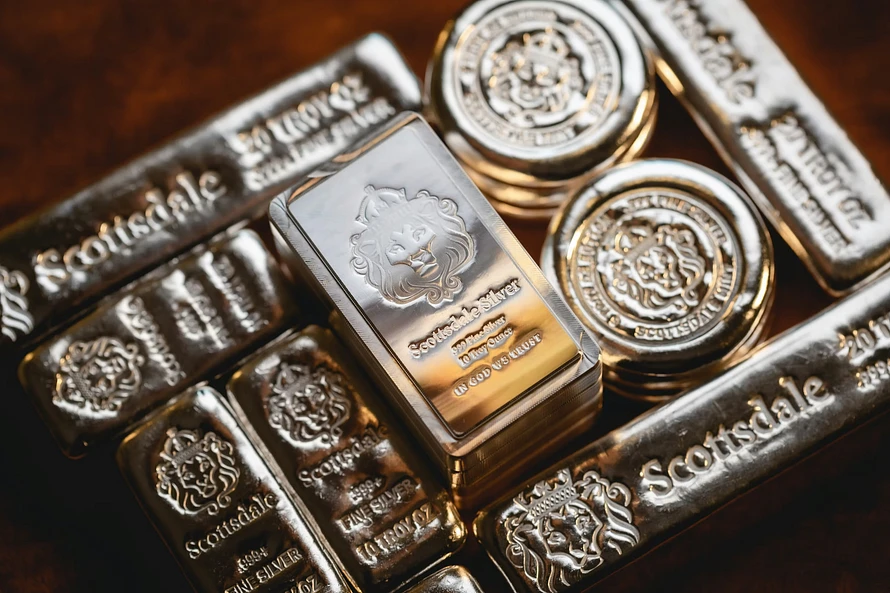
Silver Bars
Bars come in many sizes.
Popular options include:
-
1 ounce bars
-
10 ounce bars
-
100 ounce bars
Bars usually have lower premiums because they cost less to produce.
Investors who plan to accumulate larger amounts often mix bars into their holdings to reduce their average cost.
The tradeoff is flexibility. Selling a 100 ounce bar requires selling the entire piece, while coins allow smaller transactions.
Many experienced buyers hold a combination of both.
Choosing a Reputable Dealer
Where you buy silver matters.
Unfortunately, precious metals attract opportunists during periods of strong demand.
A reputable dealer should provide clear pricing tied to the current market. There should be no confusion about the spot price or the premium.
Other signs of a trustworthy seller include:
-
transparent pricing
-
a long operating history
-
strong customer reviews
-
clear buyback policies
If an offer looks dramatically cheaper than the rest of the market, caution is wise.
Physical silver is a global commodity. Legitimate sellers operate within a fairly narrow price range.
Storage and Security
Once you own physical silver, you must decide where to keep it.
Most investors choose one of three approaches.
Home Storage
Some buyers prefer storing silver at home.
A heavy safe anchored in a secure location can work well.
The benefit is direct access. The responsibility is personal security.
Bank Safe Deposit Boxes
Safe deposit boxes offer another option.
Banks provide physical protection and controlled access. However, access is limited to bank hours, and boxes usually carry annual fees.
Professional Vault Storage
Third-party vault facilities store precious metals for investors.
These facilities provide professional security and insurance coverage.
The tradeoff is ongoing storage costs and less immediate access.
Many investors split their holdings between more than one storage method.
A Simple Way to Begin Investing in Silver
Starting a silver position does not require a complicated strategy.
Many careful investors follow a straightforward approach.
Start with widely recognized one ounce coins.
They are easy to buy, easy to store, and easy to sell.
Buy gradually.
Trying to guess the perfect price rarely works. Regular purchases reduce the impact of short-term price swings.
Add bars later if holdings grow.
Larger purchases often benefit from lower premiums.
Most important, think long term. Silver prices move up and down in the short run. The reason many investors hold silver has little to do with short-term price movement.
Common Questions New Silver Buyers Ask
New investors often share the same concerns before buying.
What if silver prices fall after I buy?
Short-term price movement is normal. Silver historically experiences larger swings than gold.
Investors who focus on long-term purchasing power usually worry less about short-term fluctuations.
Are premiums too high?
Premiums rise during strong demand and limited supply.
Over many years of ownership, the premium on a single purchase tends to matter less than the overall strategy of steady accumulation.
Will I be able to sell my silver later?
Yes. Recognized bullion coins and bars trade globally.
Local coin shops, online dealers, and private buyers routinely purchase physical silver.
Liquidity is one reason investors favor well known products.
The Real Point of Investing in Silver
So, how do you invest in silver?
You buy physical metal from a reputable dealer, store it securely, and add to your holdings over time.
That approach may seem simple. In many ways, it is.
But simplicity can be powerful.
Owning silver means holding something tangible in a financial world that has become increasingly digital and debt driven.
For investors who prefer caution, patience, and independence in their financial decisions, physical silver remains one of the most accessible places to start.